Behind the Lytton Park Median: What Your Money Actually Buys in 2026
August 6, 2026
August 6, 2026
If you have been comparing Midtown neighbourhoods on a portal this summer, you have seen a single number attached to Lytton Park. It is the least useful figure in the entire search.
The average price tells you what changed hands. It does not tell you why one house on Albertus went in a week and the one around the corner on Lytton Boulevard sat through spring. In this pocket, that "why" is not a mystery of taste. It is three variables the median cannot see: lot width, the John Ross Robertson catchment line, and, since February, the Eglinton Crosstown.
Lytton Park is not priced by square footage. It is priced by frontage, school address, and now transit access at the south edge. A buyer who understands those three levers can look at two homes with identical list prices and know which one is actually the better trade. A buyer who works from the median alone will overpay for the wrong side of a boundary they did not know existed.
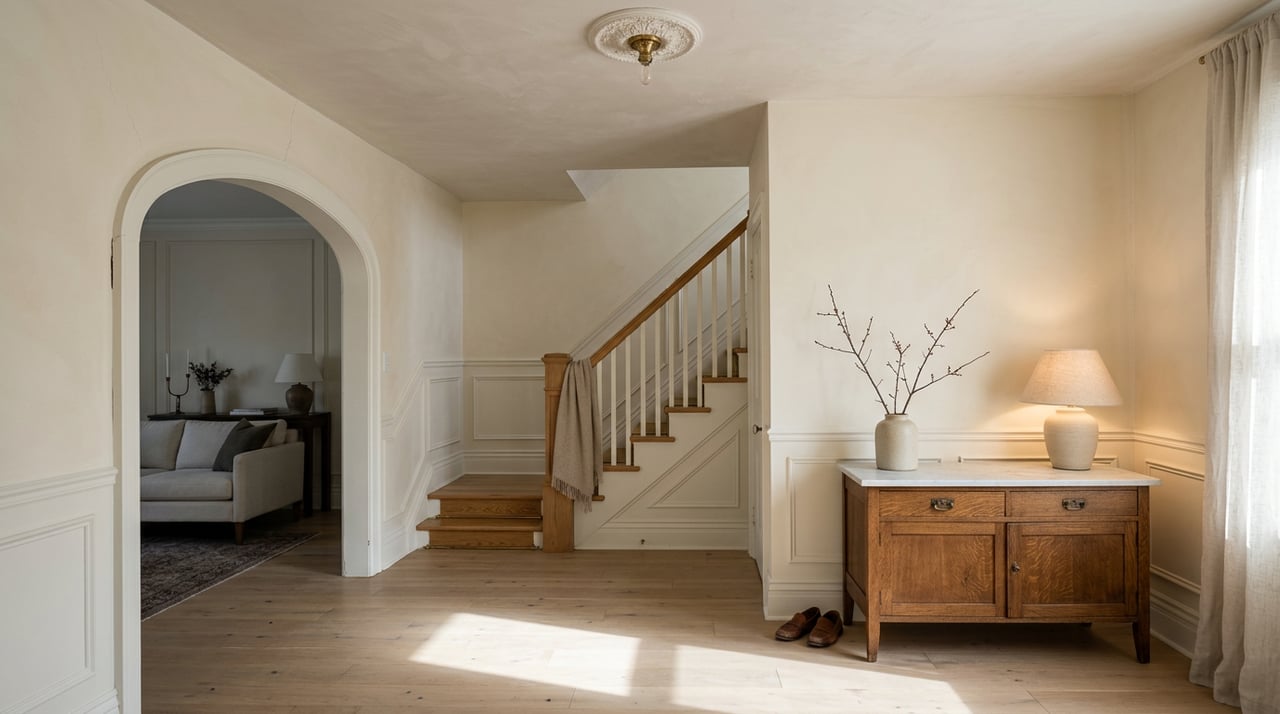
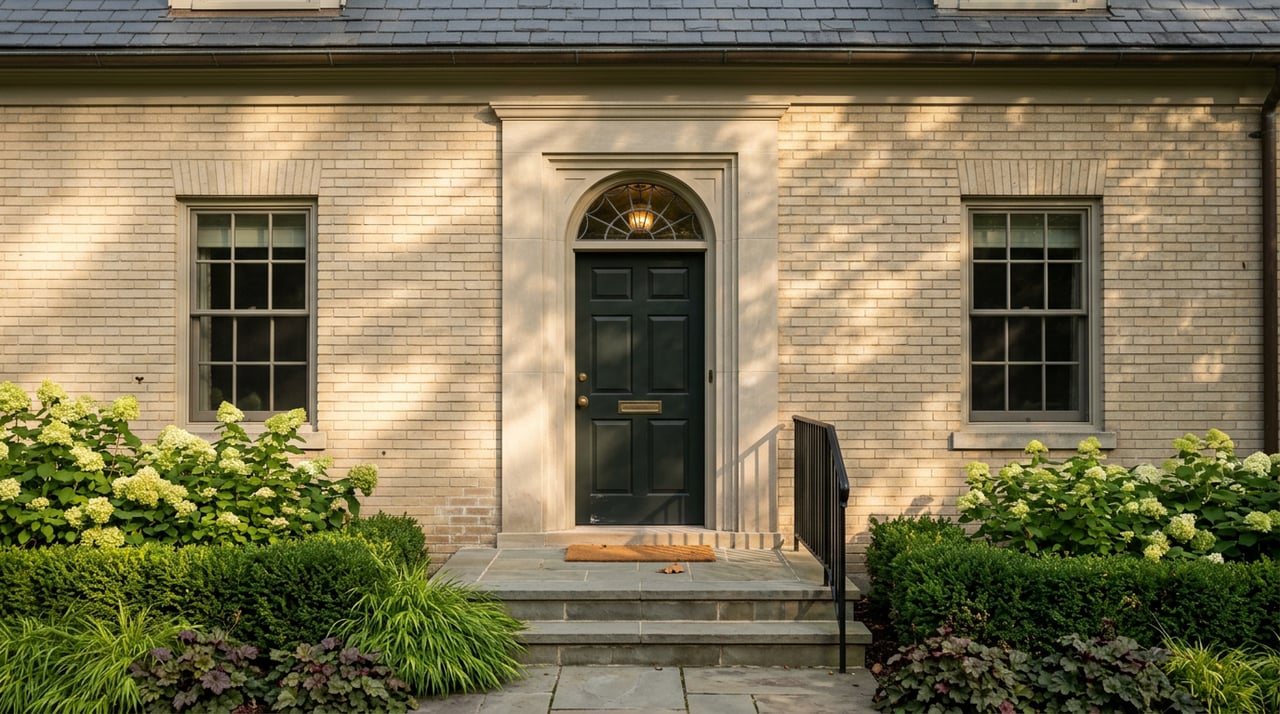
The housing stock here reads as detached family homes on generous lots, with pockets of semis in specific blocks. What is easy to miss on a listing photo is how narrow the price band is around lot width. Most Lytton Park lots run between 40 and 50 feet wide, and that range is doing more work than any interior finish. A 25-foot frontage on Albertus and a 41-foot frontage two streets over are not two versions of the same house. They are two different products.
The current listing set makes this legible. As of April 2026, an entry-level property on Albertus with a 25 by 134 foot lot was being marketed on the strength of its depth and rebuilt mechanicals, while wider-frontage homes on Lytton Boulevard and Chatsworth Drive were carrying asks in the $6 million range on comparable square footage. The house in the middle is not a compromise. It is a different asset class with a different buyer pool and a different resale ceiling.
For a move-up family, this matters in a specific way. Two homes at $3.2 million can look identical on paper and behave very differently in five years. The narrower lot competes against semis and townhomes when you resell. The wider one competes against custom rebuilds. That is a spread the median will never show you.
The second lever is the John Ross Robertson Junior Public School catchment. JRR sits inside the neighbourhood, and its Fraser Institute scores have hovered in the 9.1 to 9.8 range out of 10 in recent years. That is not a marketing detail. It is a boundary that runs down specific streets and produces a measurable premium on the "in" side.
The practical implication is uncomfortable for buyers working off a search radius. Two homes 400 metres apart, both listed as "Lytton Park," can sit on opposite sides of the JRR line, and the market prices that gap in six figures. If school access is a real factor in your decision, the address needs to be confirmed against the current Toronto District School Board attendance zone before an offer is written, not after. That is where a lot of otherwise disciplined buyers lose the plot: they anchor on the neighbourhood name, tour on the weekend, and only check the catchment when their agent is drafting the offer.
The friction to watch: catchment boundaries can shift with TDSB reviews, and a home marketed as "steps to JRR" is not automatically zoned to it. Confirm at the exact civic address, in writing, before the offer date.
The Eglinton Crosstown opened to passengers on February 8, 2026, ending roughly fifteen years of construction along Midtown's east–west spine. The line runs 19 kilometres with 25 stations between Mount Dennis and Kennedy, with more than half the route underground. End-to-end trips are landing around 52 to 54 minutes in the current phased service window, per the TTC.
For Lytton Park, the relevant stations are the ones at the neighbourhood's southern edge along Eglinton. That is the change most out-of-neighbourhood comparison shoppers have not repriced yet. Before February, a Lytton Park household commuting east–west was funnelled onto Yonge for a subway trip and a transfer, or into a car. After February, the same household has an underground east–west option a short walk from the south end of the neighbourhood, connecting into Line 1 at Eglinton and out toward Leaside, Don Mills, and Kennedy without ever touching Yonge and Bloor.
The market has not fully absorbed this yet. Line 5 has been open less than six months, service hours are still on the phased schedule of roughly 5:30 a.m. to 11 p.m., and ridership targets of around 123,000 weekday passengers won't be tested until the final timetable phases in. That lag is the opportunity. Buyers who priced Lytton Park against Lawrence Park in 2023 were comparing two neighbourhoods with essentially the same transit story. In August 2026, they are not.
The freshest micro-market read on Lytton Park, as of April 2026, put months of inventory at 5 and average days on market at 26. In plain terms, that is a balanced market with a fast-selling core. Well-priced homes still move in under a month. Overpriced ones extend the average by sitting.
Zoom out to the TRREB-wide picture and the tension gets sharper. Across the Toronto board in June 2026, sales rose 9.4% year over year to 6,770 units, while the average price fell 3.9% to $1,058,658 and active listings dropped 13.5%. TRREB itself has framed 2026 as a year of two halves and expects renewed price growth in the back half, per its board commentary carried by nesto.
Apply that to Lytton Park specifically. In a balanced local market where inventory is tightening across the board, the punishment for launching high is longer than it looks. A home that misses its first two weeks in this neighbourhood tends not to correct back up. It corrects down, usually through a price change that shows up on every portal alert, and then it sells to a buyer who was watching from the sidelines for exactly that signal. Sellers who understand that pattern price to the offer date. Sellers who do not, subsidise the sophisticated buyer.
Three practical takeaways for a family running comparisons right now.
Look at frontage before finish level. A 40-foot lot on a mid-block Lytton street will hold its value better than a wider-feeling interior on a 25-foot lot, and the resale pool is deeper. If a listing photo does not tell you the frontage, that is usually intentional.
Confirm the JRR catchment at the civic address, in writing, before you fall in love with a floor plan. The premium is real, and it is not evenly distributed across the neighbourhood name.
Reprice the commute. If a household member travels east–west during the day, the Line 5 stations at the neighbourhood's south edge changed the calculation on February 8 in a way that has not yet shown up in the comparables. That is a rare window.
Is Lytton Park a buyer's market or a seller's market in mid-2026? Balanced, with 5 months of inventory and 26 average days on market as of April 2026. Well-priced homes still move quickly. Overpriced ones sit and correct down.
Does Line 5 stop inside Lytton Park? Not inside the residential core. The relevant stations sit along Eglinton at the neighbourhood's southern edge, within walking distance from the south end.
How different is Lytton Park pricing from broader Midtown averages? Materially. The TRREB-wide June 2026 average of $1,058,658 covers every property type across the entire board. Lytton Park is a detached-first micro-market where single-family homes on wider lots regularly clear several multiples of that figure.
If you are weighing a move into Lytton Park this fall, or trying to price a home you already own here against the post-Line 5 comparables, that conversation is worth having before the next listing cycle. Reach out to Courtney Smith to talk through what your specific address, frontage, and catchment mean for your next move.
Stay up to date on the latest real estate trends.
Every client deserves a strategy tailored to their goals. With trusted market knowledge, clear communication, and dedicated guidance, Courtney is committed to helping you achieve the best possible outcome.