The Wanless Park Sale That Beat the Tax Deadline, and Still Sold $498,000 Under Asking
September 3, 2026
September 3, 2026
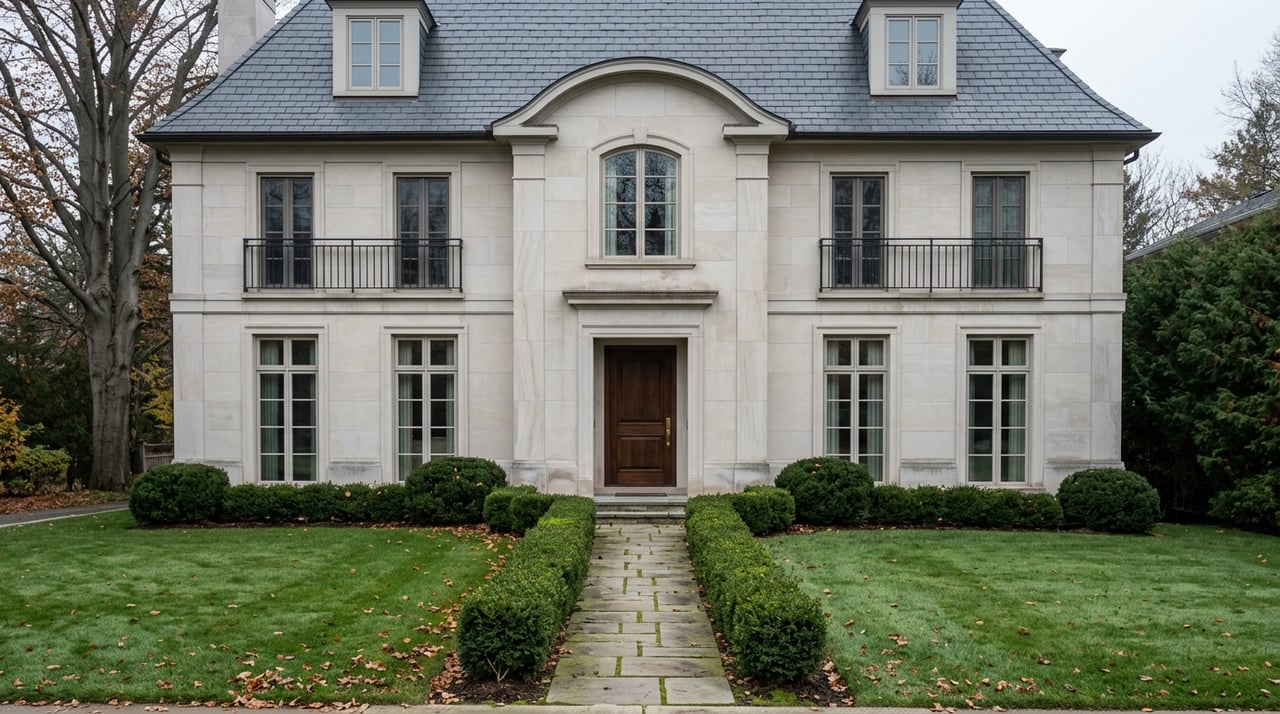
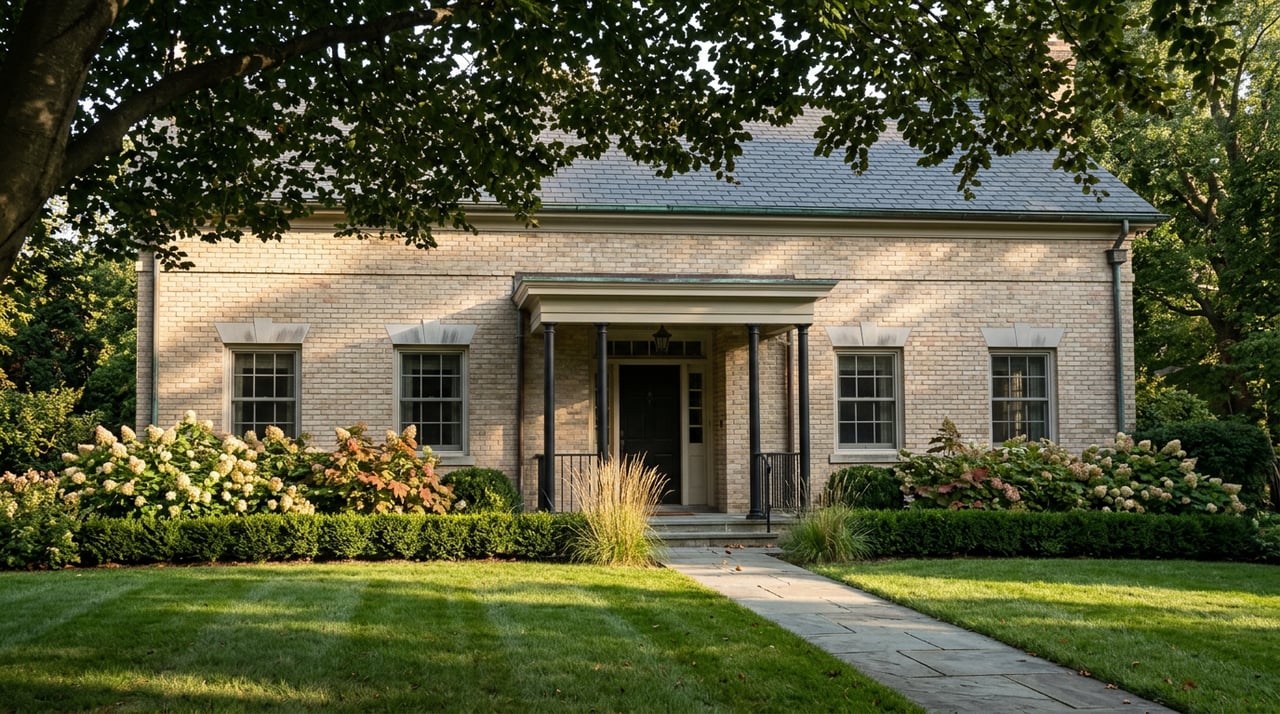
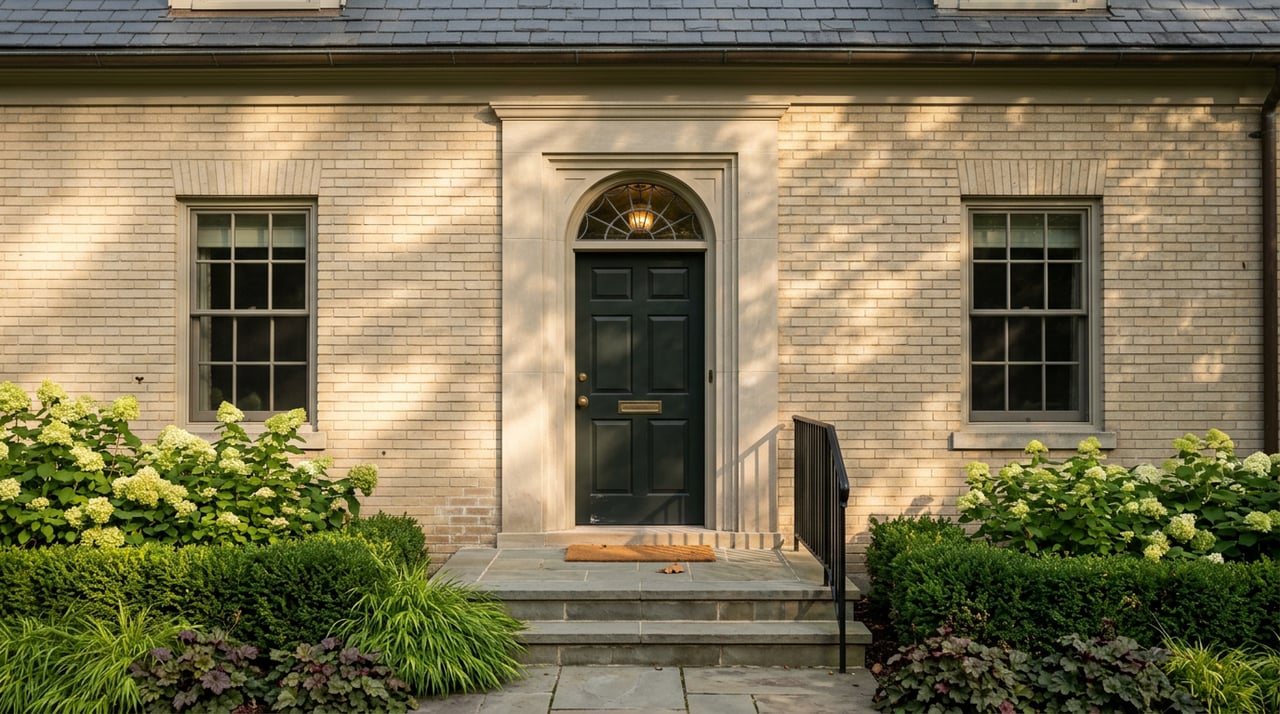
Roy Ratnavel built his five-bedroom home about ten years ago on one of the more coveted streets in Lawrence Park, in the same pocket of custom builds that surrounds Wanless Park. When his agent, Belinda Lelli of Royal LePage, brought it to market this past February, she priced it deliberately under $6.3 million. About 80 people came through. Three separate offers came in and were turned down. A fourth was accepted in March, at $5.8 million. That's $498,000 under the asking price, on a home that drew a full house of visitors and multiple rounds of bidding.
If the tax deadline everyone was racing toward was supposed to protect sellers, this sale is the piece of evidence that says otherwise. Understanding why is the most useful thing a Wanless Park seller with a home priced above $3 million can take into this fall.
Toronto City Council voted 17 to 7 in December 2025 to raise the Municipal Land Transfer Tax on homes selling above $3 million, with the new graduated rates taking effect for any closing on or after April 1, 2026. The increase only applies to the portion of the price that sits above each threshold, not the full sale price. A $5.8 million home isn't taxed at one flat rate. It's taxed in layers.
The new brackets, confirmed by CBC's reporting on the council vote, look like this:
| Price band | New rate |
|---|---|
| $3M – $4M | 4.40% |
| $4M – $5M | 5.45% |
| $5M – $10M | 6.50% |
| $10M – $20M | 7.55% |
| Above $20M | 8.60% |
The rate on the $3M–$4M band rose by 0.9 percentage points. The $4M–$5M band rose 0.95 points. The $5M–$10M band rose a full point. Land transfer tax is calculated on the closing date, not the date a purchase agreement is signed, which is the detail that turned this from a policy footnote into a scheduling problem for anyone with a deal in progress.
Run Ratnavel's sale price through those brackets and the urgency stops being abstract. On a $5.8 million closing, the portion between $3M and $4M would have cost an extra $9,000 under the new rates. The $4M to $5M portion adds another $9,500. The final $800,000, sitting in the $5M to $10M band, adds $8,000 more. Total difference: roughly $26,500 in municipal transfer tax alone, depending on which side of April 1 the closing landed on.
That's a real number for a buyer to absorb, and it explains why Lelli described a direct correlation between the looming deadline and the number of comparable listings hitting the market. Sellers who could get a deal closed before April 1 had a genuine incentive to try.
Here's the part that a straightforward tax explainer misses. The rush to beat the deadline didn't just add pressure on the buyer side. It flooded the market with comparable inventory, and that oversupply is very likely what actually cost the Ratnavel sale its asking price.
Lelli put it plainly when discussing the competitive landscape around the listing:
"This year, more than ever for the first financial quarter, there were more luxury homes in excess of $4.5-million within a two-kilometre radius, and specifically a one-kilometre radius."
More comparable homes on the market at the same time means more choice for buyers, and more choice means less leverage for any single seller, no matter how strong the initial turnout. Eighty visitors and three rejected offers sounds like a seller's market until you remember that every other custom home nearby was chasing the same closing window with the same buyer pool.
Other agents interviewed separately about the tax's effect on Toronto's luxury pockets described a similar pattern from a different angle. Their read was that the tax bracket most likely to change buyer behaviour isn't the $3 million entry line, it's the territory around $5 million, precisely because that's where buyers still have enough comparable listings to negotiate rather than simply accept the added cost. Below that range, in the $3M–$4M band, the dollar amount at stake is smaller relative to the purchase. Well above it, buyers chasing a specific home tend to absorb the tax rather than walk away from it. The middle is where the tax actually moves a negotiation, and the middle is exactly where an influx of rushed listings does the most damage to seller pricing power.
Most of what sells in Wanless Park sits below the line where any of this applies. The neighbourhood's typical detached home trades generally below the $3 million threshold, and buyers there are shopping a different market entirely. But Wanless Park's defining inventory isn't the typical detached home. It's the custom builds facing the park itself or backing onto the Riverview Drive ravine, the kind of five and six bedroom property that draws families aiming for the Toronto French School or Crescent School catchments, and the kind that can cross well past the $3 million line the way the Ratnavel sale did.
That's exactly the price band where the research points to the most negotiating friction. A homeowner sitting on one of these properties isn't just "in luxury tax territory" in some generic sense. They're in the specific range where buyers have enough comparable inventory nearby to use the tax, or simply the existence of competing listings, as a reason to hold firm on price rather than match an ambitious ask.
The deadline pressure that shaped the first quarter of 2026 is gone. There's no more racing the calendar, because every closing from here forward includes the new rates as a fixed cost rather than a variable one. That actually simplifies the calculation for both sides. A buyer looking at a $5.8 million home today isn't weighing "should I rush to close by a certain date." They're weighing whether the home is worth the price including the tax, full stop.
Citywide data backs up the idea that the artificial glut from early 2026 has likely cleared. Toronto Regional Real Estate Board figures for July 2026 show new listings down 17.8 per cent year over year, with market conditions described as tightening compared to the same month a year earlier. That's not a luxury-segment statistic specifically, but it's a reasonable signal that the wave of comparable inventory sellers were competing against in Q1 hasn't repeated itself.
For a Wanless Park homeowner weighing a listing this fall, the practical lesson from the Ratnavel sale isn't about the tax bracket at all. It's about what happens when several similar homes chase the same closing window. With that pressure removed, a well-priced custom build facing the park has a cleaner path to the kind of competitive offer situation the Ratnavel listing generated, without the crowded field that ultimately worked against it.
Who actually pays the tax, the buyer or the seller? The buyer pays it at closing, alongside the existing provincial and municipal land transfer tax.
Is it retroactive for deals signed before April 1, 2026? No. The rate is determined by the closing date, not the date the purchase agreement was signed, which is why some 2025 agreements closing in the spring still triggered the new rates.
Does the tax apply to the full purchase price once a home crosses $3 million? No. It's graduated. Only the portion of the price above each threshold is taxed at the higher rate, the same way income tax brackets work.
Does a home under $3 million see any change at all? No change applies below the $3 million threshold.
A home in this price range is one of the more consequential financial decisions a family makes, and the details that matter most rarely show up in a generic explainer. If you're weighing a sale or purchase near Wanless Park's custom-build segment this fall, Courtney Smith can walk through exactly how your specific price point, timeline, and street compare to what's actually moving right now. Let's Connect.
Stay up to date on the latest real estate trends.
Every client deserves a strategy tailored to their goals. With trusted market knowledge, clear communication, and dedicated guidance, Courtney is committed to helping you achieve the best possible outcome.